Jan 28, 2026
From Startup to Institution: Lessons from Paystack's Move to a Holding Company
African fintech is entering a transformative phase characterised by institutional development rather than mere product innovation. Paystack's 2026 transformation into a holding company, now under the parent company, The Stack Group (TSG), provides a strategic blueprint for founders and executives navigating the critical transition from startup to institution.
The Strategic Shift: Why Holding Companies Matter for African Startups
Since launching in 2016 to simplify payments for African businesses, Paystack has become a continental fintech powerhouse. After Stripe's $200 million acquisition in 2020, payment volumes surged over twelvefold, and the company achieved group-level profitability.
Profitability served as the strategic foundation rather than the ultimate objective.
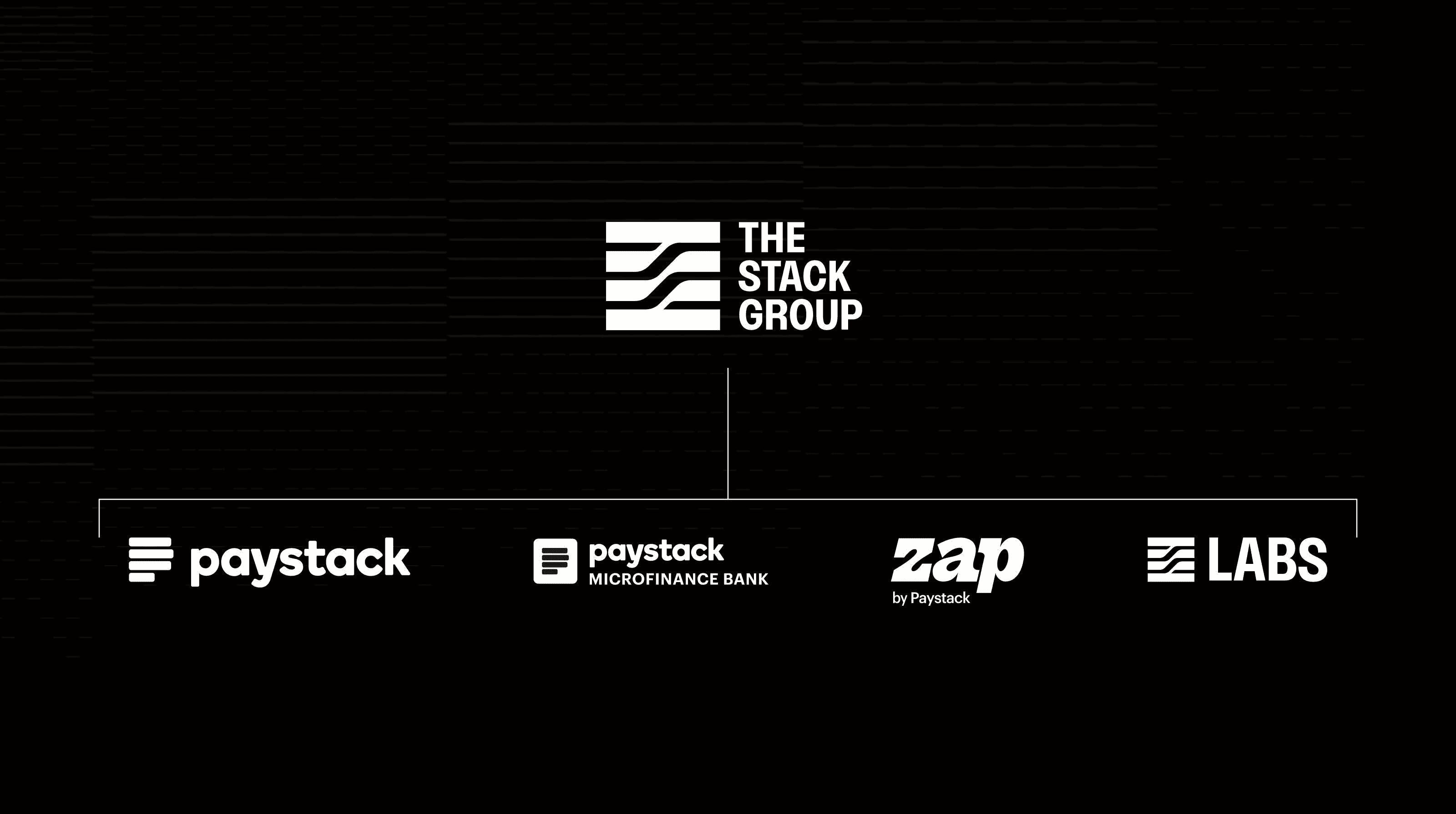
Paystack announced its evolution into The Stack Group, a holding company structure housing four strategic entities:
Paystack: merchant payments infrastructure
Zap: consumer payments platform
Paystack Microfinance Bank (MFB): banking and credit services
TSG Labs: venture studio for AI and stablecoin innovation
The reorganization represents a deliberate strategy to address Africa's fragmented financial infrastructure through complementary, independently managed businesses.
Why Profitability Enables Strategic Expansion
Key Insight: Financial health drives optionality.
TSG's profitability created the foundation for ambitious expansion without risking the core payments business. For African startup leaders, this reveals a critical principle: sustainable growth requires financial discipline first, experimentation second.
Actionable Takeaway: Before launching adjacent verticals, ensure the core business generates sufficient cash flow to absorb potential failures in new domains. Profitability isn't conservative; it's strategic leverage.
Regulatory Intelligence as Competitive Advantage
African fintech operates across complex regulatory landscapes. Payments, banking, and consumer finance each face distinct compliance requirements across multiple jurisdictions.
TSG's holding structure provides critical risk isolation. Each entity manages its own regulatory obligations independently. TSG Labs operates outside regulated frameworks entirely, enabling rapid experimentation in AI and emerging technologies without endangering licensed operations.
This separation reflects growing sophistication in African tech: regulatory foresight is now a competitive advantage, not just overhead.
Actionable Takeaway: Structure your company to separate regulated and experimental activities early. Design corporate architecture around compliance requirements, not just operational convenience. Consider holding company structures when expanding across regulatory boundaries.
The Ownership Model: Aligning Incentives for Long-Term Success
TSG introduces a joint ownership structure among Stripe, founder Shola Akinlade, and Paystack employees. This structure signals long-term commitment beyond typical exit scenarios.
Akinlade reinforced this personally: "I'll continue to lead the Group and I'm personally investing in the business to demonstrate my long-term commitment".
For African startups navigating post-acquisition dynamics or multi-stakeholder growth, this model demonstrates how to maintain founder commitment while rewarding the team building the institution.
Actionable Takeaway: Design ownership structures that align long-term incentives across founders, employees, and investors. Personal reinvestment from leadership signals commitment that motivates teams and attracts talent.
Playing the Infinite Game: Continental Scale Strategy
Paystack frames its strategy as an "infinite game," competing not against rivals, but against the problems facing African merchants. This mindset shift enables long-term thinking beyond quarterly metrics.
TSG now operates across Nigeria, Ghana, Kenya, Côte d'Ivoire, and South Africa, with regulatory approvals progressing in Egypt and Rwanda. These markets collectively represent nearly 46% of Africa's GDP.
Actionable Takeaway: Plan for multi-market expansion from the beginning. Success in Africa requires continent-level thinking, not single-market optimization. Prioritize markets by regulatory pathway, not just GDP, and build institutional capabilities that scale across jurisdictions.
The Nigerian Precedent: Holding Companies as Ecosystem Strategy
TSG joins established Nigerian tech institutions including Interswitch and Moniepoint in adopting holding company structures. This approach provides specific advantages for African contexts:
Acquisition flexibility: Easier to integrate acquired companies without disrupting core operations
Brand protection: Experiments that fail don't damage the flagship brand
Talent mobility: Enable internal talent movement across ventures
Capital allocation: Deploy resources strategically across portfolio
Risk Acknowledgment: Success in one domain doesn't guarantee success in others. Holding structures introduce management complexity and potential resource dilution.
Five Principles for Building African Tech Institutions
Based on TSG's evolution, here are actionable principles for African founders and executives:
1. Anchor expansion in profitability: Generate sustainable cash flow before pursuing adjacent opportunities. Profitability provides strategic optionality and reduces dependence on external capital during expansion.
2. Design governance for risk management: Structure corporate entities around regulatory requirements and risk isolation. Separate experimental ventures from regulated core businesses.
3. Align ownership with long-term incentives: Create structures where founders, employees, and investors succeed together over extended timeframes. Personal reinvestment from leadership signals authentic commitment.
4. Think continentally from day one: Plan multi-market expansion early. Build products and operations that scale across regulatory environments, not just single markets.
5. Leverage technology as infrastructure: Position your company as continental infrastructure, not just a product. This mindset attracts talent, capital, and regulatory goodwill differently than product-only positioning.
What This Means for Africa's Tech Future
Paystack's transformation signals maturation across African tech. The companies defining the continent's next decade will prioritize institutionalization alongside innovation. These organisations will build governance structures, financial discipline, and strategic foresight in parallel with technological innovation.
For investors, this means evaluating institutional depth, not just growth metrics. For regulators, it suggests the importance of frameworks that enable multi-business innovation while protecting consumers. For founders, it provides a roadmap from startup to institution.
Conclusion: Beyond Building Products
The Stack Group demonstrates that Africa's most impactful tech companies will function as institutions rather than single-product entities. These organisations will integrate technological innovation with governance sophistication, financial discipline with strategic ambition, and single-market success with continental vision.
The playbook exists. African startup leaders must now determine whether their organisations are positioned for product development or institutional development.
More Insight from Real Life Users























Insights that Drive Change
Empowering smarter decisions across business, policy, and research